
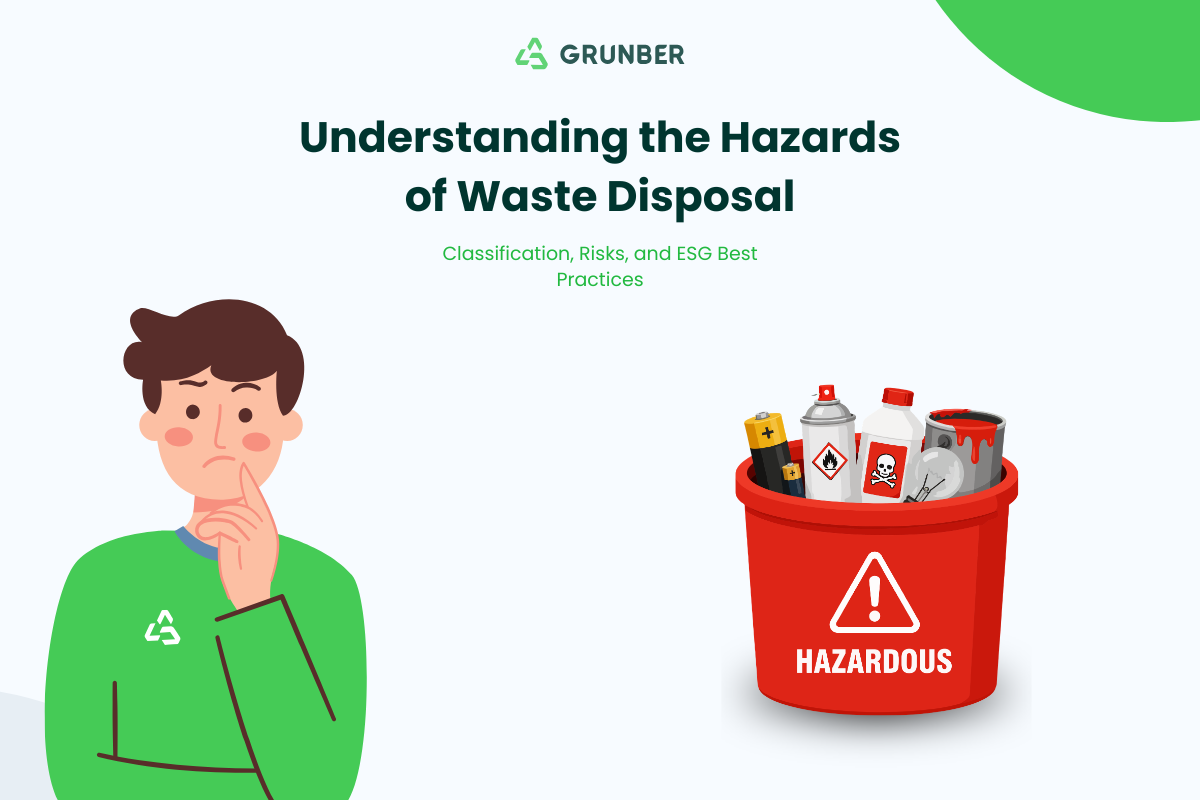
Improper garbage handling presents severe risks to public health, sanitation personnel, and local ecosystems. While general household debris can be collected through municipal trucks or standard junk removal, throwing toxic materials into everyday trash triggers chemical reactions, environmental contamination, and fires.
A responsible junk and waste management program relies on strict adherence to Environmental, Social, and Governance (ESG) standards to protect communities and divert dangerous substances from municipal landfills.
What Are the Real Hazards of Waste Disposal?
When toxic compounds enter conventional waste streams, the hazards multiply across three main areas:
1. Environmental Contamination
Standard municipal landfills are designed to handle municipal solid waste, not concentrated toxins. When corrosive liquids or heavy metals are dumped in landfills, rainwater dissolves these compounds into a toxic runoff known as leachate. If leachate compromises landfill barrier liners, it seeps directly into groundwater reserves, contaminating municipal drinking water and agricultural soil. Learn more about environmental contaminants.
2. Physical Hazards to Collection Crews
Sanitation workers and waste handlers face direct physical injury when dangerous items are placed in curbside bins. Compressed gas tanks can explode under mechanical pressure. Broken glass coated in chemical residue causes lacerations, and toxic vapors produce acute respiratory irritation during transport.
3. Equipment Fires and Arcing
One of the most rapidly growing hazards in modern waste handling is vehicle and transfer station fires caused by rechargeable batteries. Compactor blades in collection trucks crush battery casings, which triggers thermal runaway and immediate chemical blazes.
Featured Video: Safe Disposal and Fire Prevention
To see how municipal waste teams manage these daily risks, watch this news segment by WCNC featuring Charlotte Solid Waste Services:
What Is the 4 Hazard Classification?
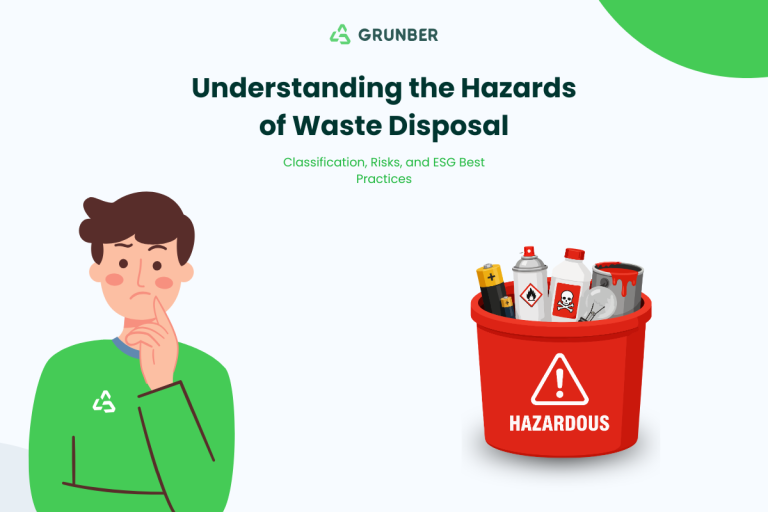
The United States Environmental Protection Agency (EPA) classifies hazardous materials based on four fundamental chemical characteristics. A material is legally classified as hazardous if it exhibits any of the following traits:
1. Ignitability
Substances that easily catch fire under normal conditions. This group includes liquids with a flashpoint below 140 degrees Fahrenheit (60 degrees Celsius), flammable non-liquids capable of causing fire through friction, and combustible compressed gases.
2. Corrosivity
Substances that corrode metal containers or destroy living tissue upon contact. These are typically aqueous solutions with a pH less than or equal to 2 (highly acidic) or greater than or equal to 12.5 (highly alkaline).
3. Reactivity
Unstable materials that react violently with air, water, or shock. These substances can undergo vigorous chemical reactions, release explosive gases, or detonate when exposed to heat or pressure.
4. Toxicity
Materials that release poisonous substances into the ground or atmosphere. Toxic wastes contain dangerous levels of heavy metals or synthetic chemicals that can leach into soil or water supplies, causing chronic illness or ecological poisoning.
What Are the 7 Types of Hazardous Waste?
Beyond the four basic chemical characteristics, waste management professionals categorize hazardous waste into seven distinct operational groups:
- Universal Wastes: Common items generated by households and small businesses, including fluorescent lamps, mercury thermostats, and specialty batteries.
- Electronic Waste (E-Waste): Discarded televisions, computers, and circuit boards containing lead solder, cadmium, and brominated flame retardants.
- Corrosive Acids and Bases: Industrial descalers, rust removers, battery acid, and concentrated alkaline cleaning solutions.
- Chemical Solvents and Strippers: Volatile organic chemicals used for degreasing, thinning paints, and industrial dissolving.
- Heavy Metal Byproducts: Waste streams containing mercury, lead, arsenic, or chromium generated through painting, demolition, or manufacturing.
- Listed Industrial Wastes: Materials specifically named on regulatory lists (such as the EPA F, K, P, and U lists) because of their consistent industrial toxicity.
- Pressurized and Compressed Gases: Propane tanks, refrigerant cylinders, and aerosol containers that pose severe explosion risks when crushed.
What Are 10 Examples of Hazardous Waste?
Many everyday items stored in garages, sheds, and utility closets are classified as hazardous and must never be placed in standard dumpsters or trash bins:
- Lithium-Ion Batteries: Found in laptops, power tools, and mobile electronics.
- Oil-Based Paints and Stains: Contain volatile solvents and synthetic pigments.
- Paint Thinners and Turpentine: Highly flammable liquid hydrocarbon mixtures.
- Pesticides and Herbicides: Toxic agricultural and landscaping chemical formulas.
- Used Motor Oil and Antifreeze: Automotive liquids contaminated with heavy metals and toxic glycols.
- Fluorescent Tubes and CFL Bulbs: Contain elemental mercury vapor inside glass envelopes.
- Chemical Drain Openers: Strong sulfuric acid or sodium hydroxide formulations.
- Pool Treatment Chemicals: Concentrated chlorine tablets and muriatic acid.
- Old Television Sets and CRT Monitors: Contain cathode ray tubes with heavy lead shielding.
- Propane Cylinders: Pressurized tanks that explode under compactor pressure.
Aligning Waste Disposal with ESG Principles
Responsible waste management is a central requirement of modern ESG frameworks:
- Environmental Stewardship: Diverting dangerous wastes from landfills prevents toxic leachate from damaging surrounding watersheds and reduces emissions from uncontrolled landfill fires.
- Social Responsibility: Proper sorting protocols protect collection workers from toxic exposure and chemical explosions, while keeping local neighborhoods safe from industrial pollution.
- Governance and Compliance: Organizations that maintain rigorous tracking, transparent manifests, and certified disposal documentation ensure compliance with state and federal environmental laws, avoiding severe financial penalties.
Responsible Cleanouts and Sustainable Hauling with Grunber
Safeguarding your property and community starts with knowing where your waste goes. While regulated toxic chemicals must be delivered to authorized municipal drop-off centers, bulky property clearouts require a dependable, eco-conscious hauling plan.
Grunber connects homeowners and commercial managers across the United States with a nationwide network of more than 900 vetted, insured local haulers. We simplify large-scale junk removal through upfront, volume-based pricing and a steadfast commitment to sustainability. Our local teams sort items to maximize donations and direct salvageable scrap metal, appliances, and materials to certified recycling centers, helping you clean your space safely and responsibly.